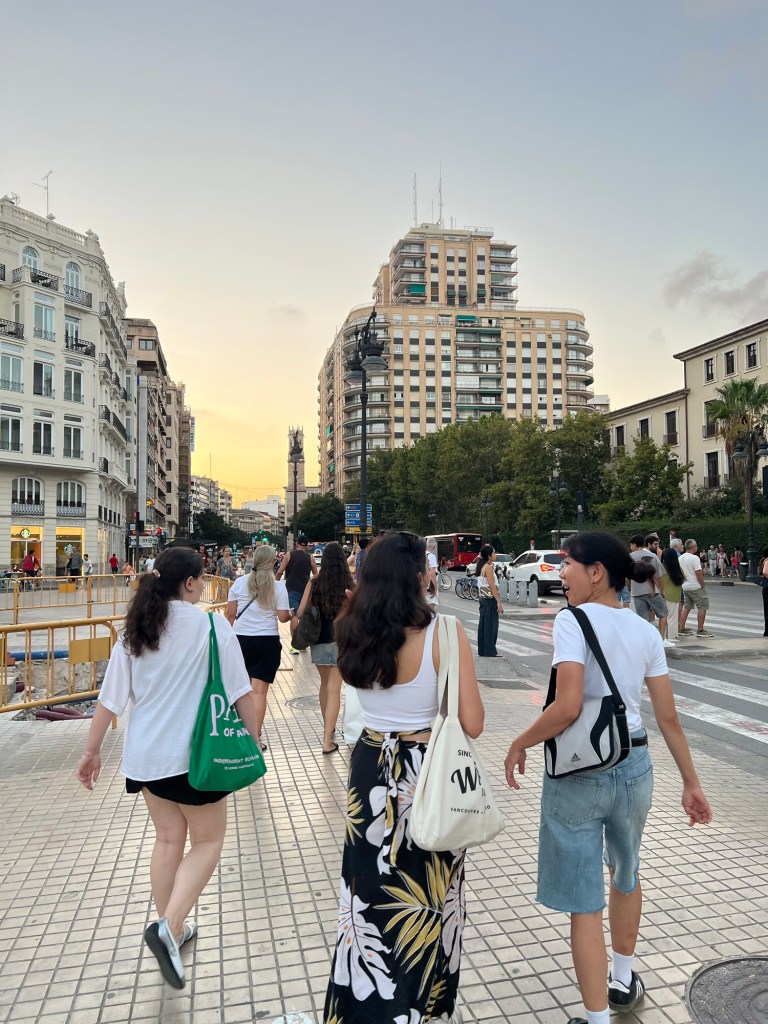
One of my favorite aspects of traveling is the friendships you make along the way. Friendships that persist across time and space are special.
Years ago, I studied abroad in Thailand. It was my first time experiencing life in another country and making friends from different cultures. The experience changed my life.
I’ve been fortunate to have opportunities to reconnect with friends I met during my time in Thailand, sometimes in their home countries, and other times simply because we happen to be in the same country at the same time. Those moments are often surreal. It’s strange to meet a friend from the past in a place neither of you currently lives, but I find those moments to be some of my favorites.
For Sara, these kinds of international friendships are much more normal.
Sara grew up in a diverse environment, attending an international school in Malaysia for many of her formative years. She then attended university in Hong Kong, where she continued to meet people from around the world. She is used to reconnecting with friends in unfamiliar countries, especially because many of her friends no longer live in Malaysia or Hong Kong.
One of Sara’s friends from Malaysia, Ana, happens to have parents who recently moved to Valencia. By coincidence, Ana was going to be in Valencia around the same time as us, and she graciously extended her visit by a day to spend time with us on our first day in the city.
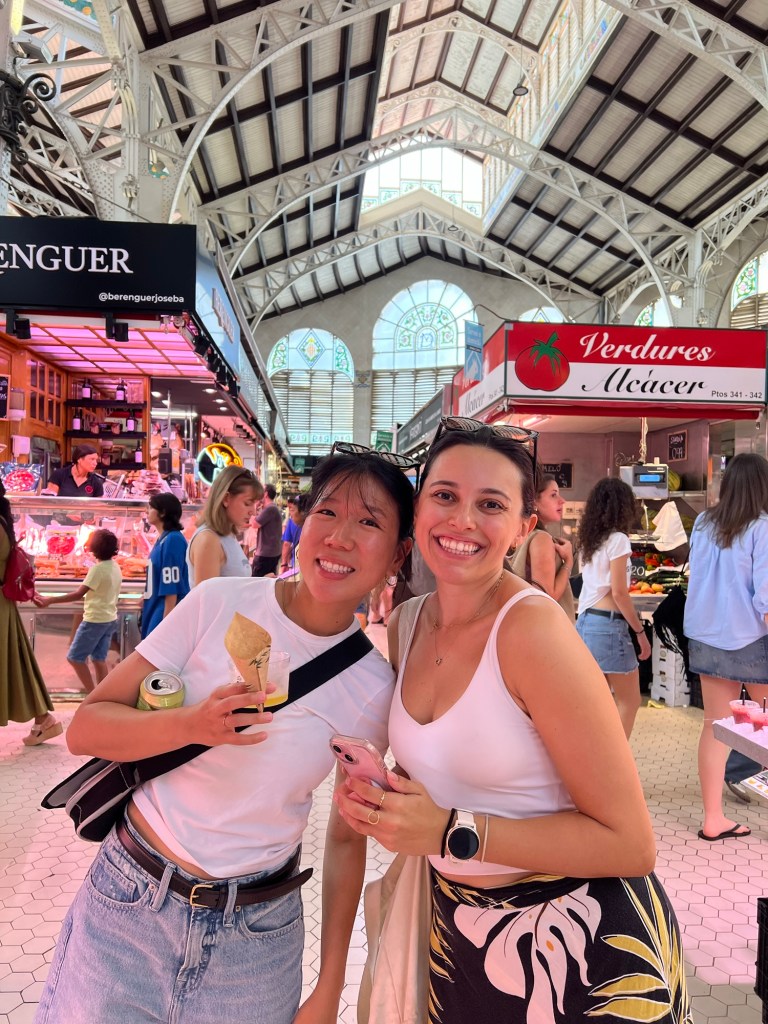
I met Ana for the first time a year ago in London, where she currently lives.
I’ve never met anyone quite like her before. It’s just not common in the environment that I grew up in.
Ana is Brazilian and Spanish. Her mother is Spanish and was born in Brazil, while her father is Brazilian-born with Italian roots. Ana speaks Portuguese, English, French, and Spanish. She met Sara while living in Malaysia because of her father’s work, when they attended the same international school. She has lived in Brazil, Malaysia, France, and now the UK.
Sara and Ana are both familiar with the idea of “third culture kids,” or kids who grow up between cultures.
Sara was born in Korea but moved to Malaysia when she was nine years old and lived there until she was eighteen before going to Hong Kong for university.
Ana was born in Brazil, moved to Malaysia when she was seven, lived in France as a teenager, and then attended university in the UK.
Where is “home” in these cases?
It’s an interesting concept for an American who only really knew American culture until he was twenty-one years old.
We were thankful to meet Ana in Valencia.
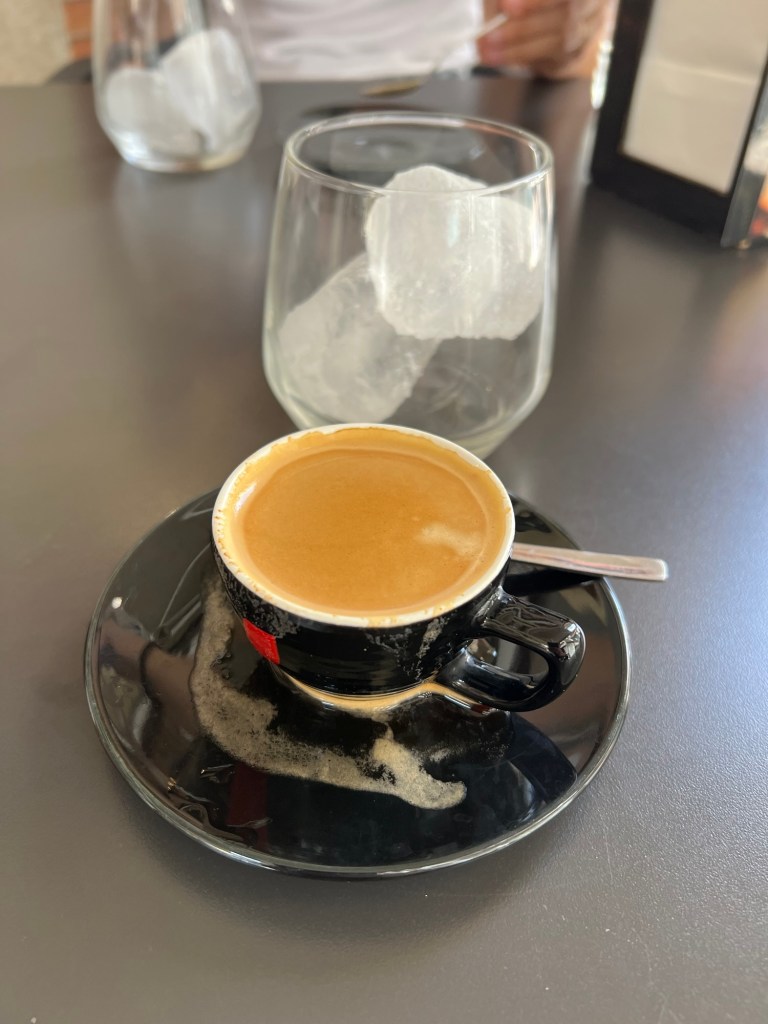
When Sara and I arrived, Ana met us at the train station and we began our mini tour of the city. Starting with coffee, of course.
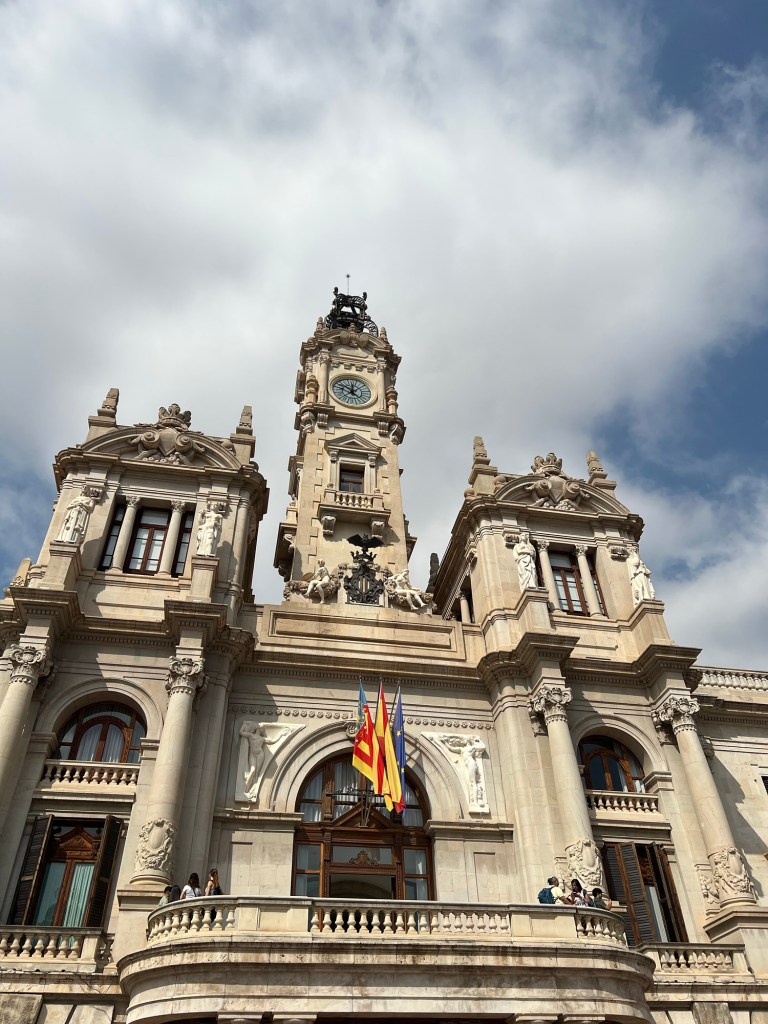
She took us through the Plaza del Ayuntamiento, where City Hall stands in the heart of Valencia, and then to the Central Market, a physical representation of Valencia’s geography. It’s a place where you can learn a lot about Valencia’s food just by wandering through the stalls filled with fruit, vegetables, wine, seafood, meat, and products from throughout the region.
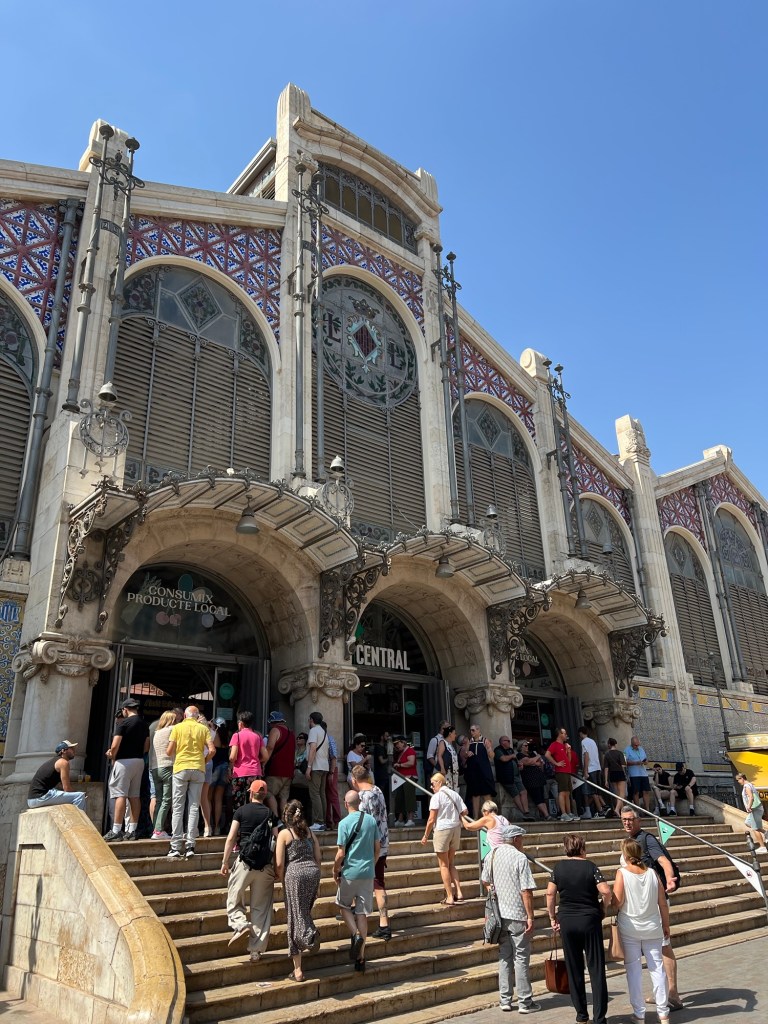
Walking through the market with Ana was like having a personal tour guide. We learned so much about Valencia just by being around her.
We were introduced to Agua de Valencia, something neither of us had ever heard of before. It’s a cocktail made from fresh orange juice, cava, gin, and vodka, typically mixed in a pitcher and shared between people.
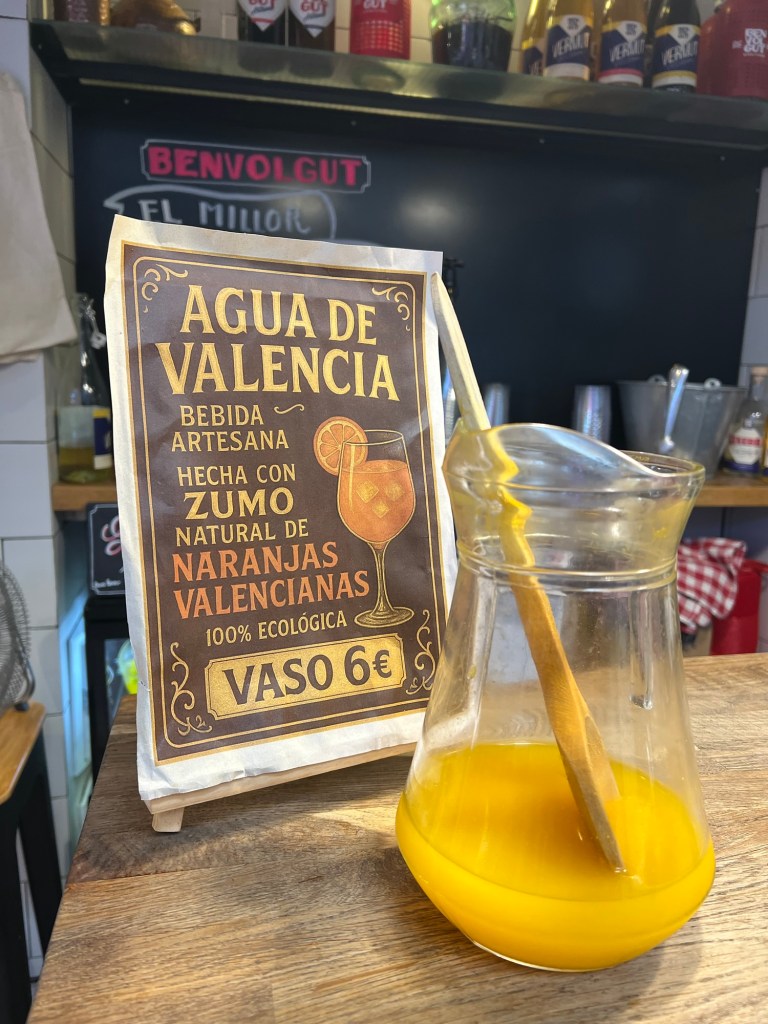
It’s delicious and dangerous.
It was also our first time trying vermut, a drink made with wine infused with herbs and spices and usually something bitter, often served over ice with an orange slice or olive.
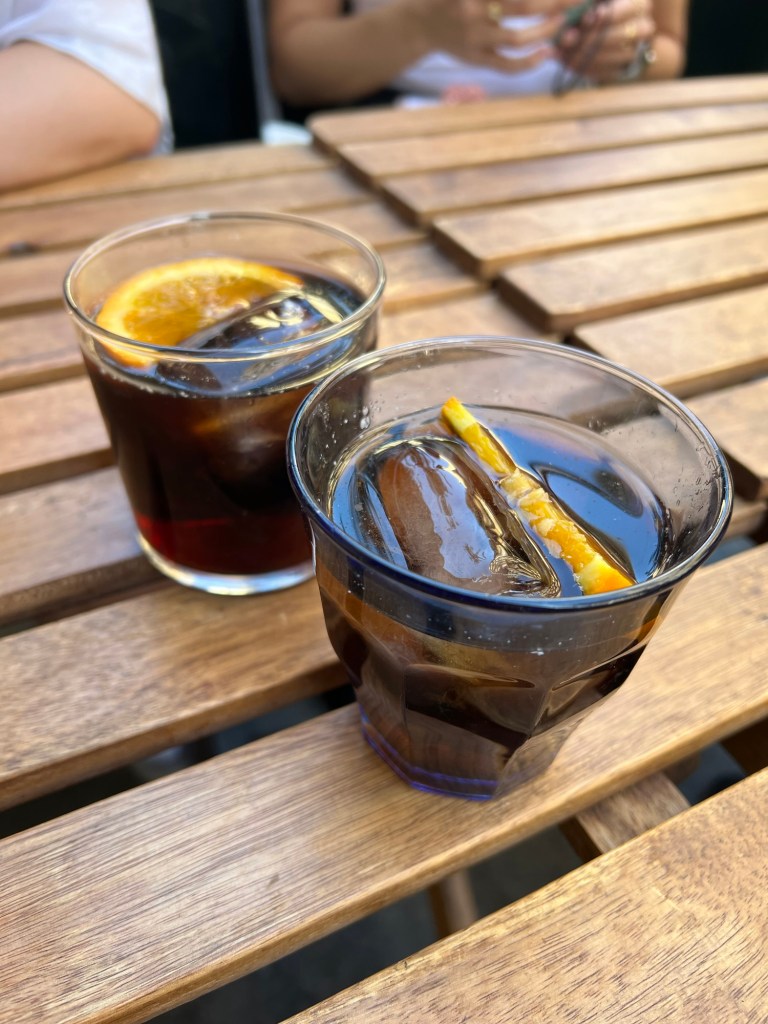
Vermut is an important part of Spanish aperitif culture, the idea that the drink before a meal can be its own social occasion. While in Valencia, we noticed people beginning to gather in the early afternoon for coffee, vermut, and light bites before eventually having a full lunch.
I really like this idea. The time before the meal isn’t simply waiting for lunch, it becomes its own part of the day.
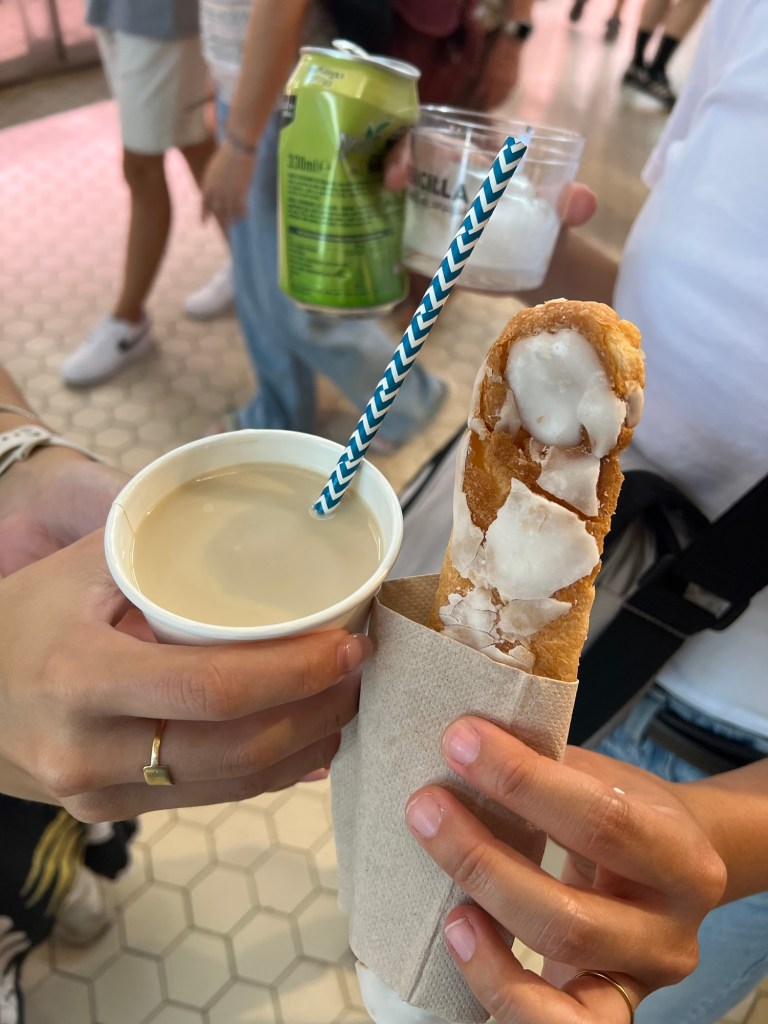
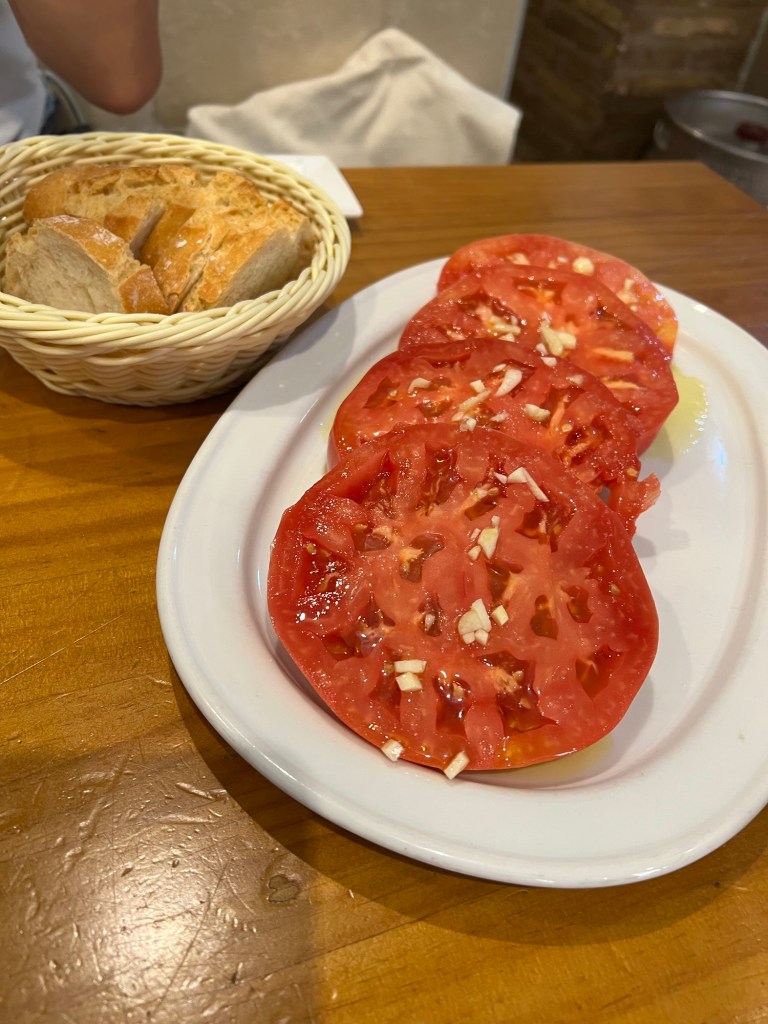
After some drinks, Spanish horchata, which is very different from Mexican horchata, and fartons, the long, fluffy pastries made for dipping into it, Ana took us to a tapas restaurant for more vermut, a tomato salad, and tostas.
We ordered two tostas, one with tuna and another with sobrasada, which is very similar to the soft inside of a chorizo sausage.
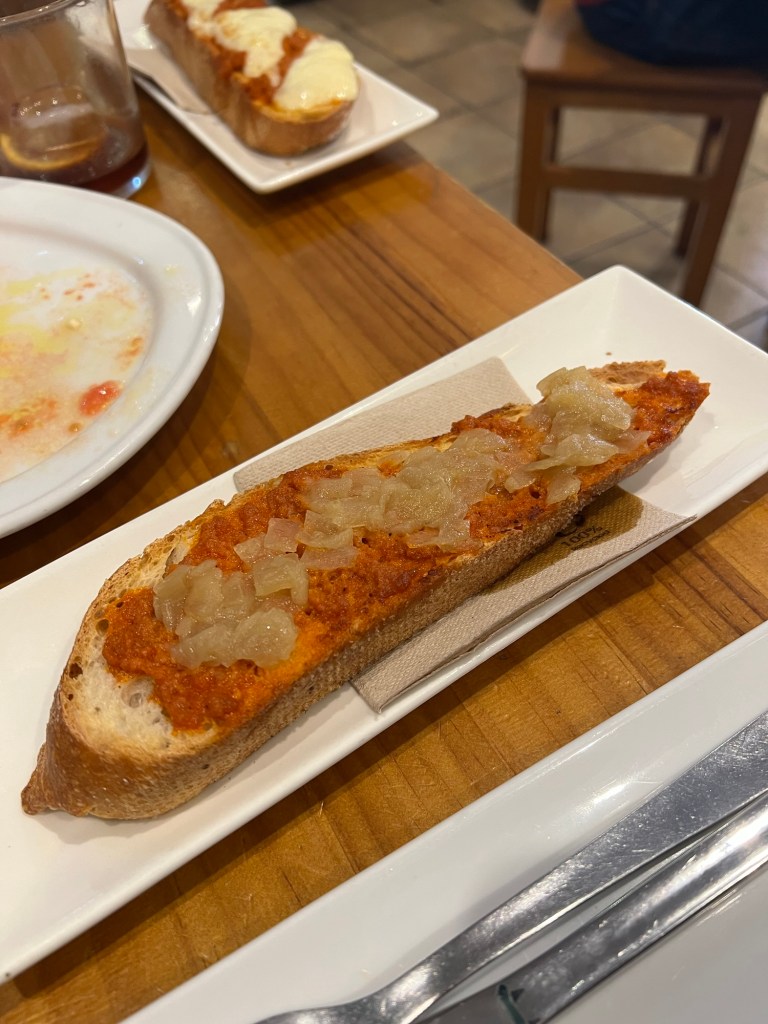
Amazing.
The tomato salad was also incredible. Valencia is famous for its tomatoes, and I can understand why. They were fresh and juicy without being mushy, and when eaten simply with olive oil and garlic, they were divine.
After finishing at the restaurant, Ana took us around to see a few more sights before dropping us off at our accommodation for a quick rest.
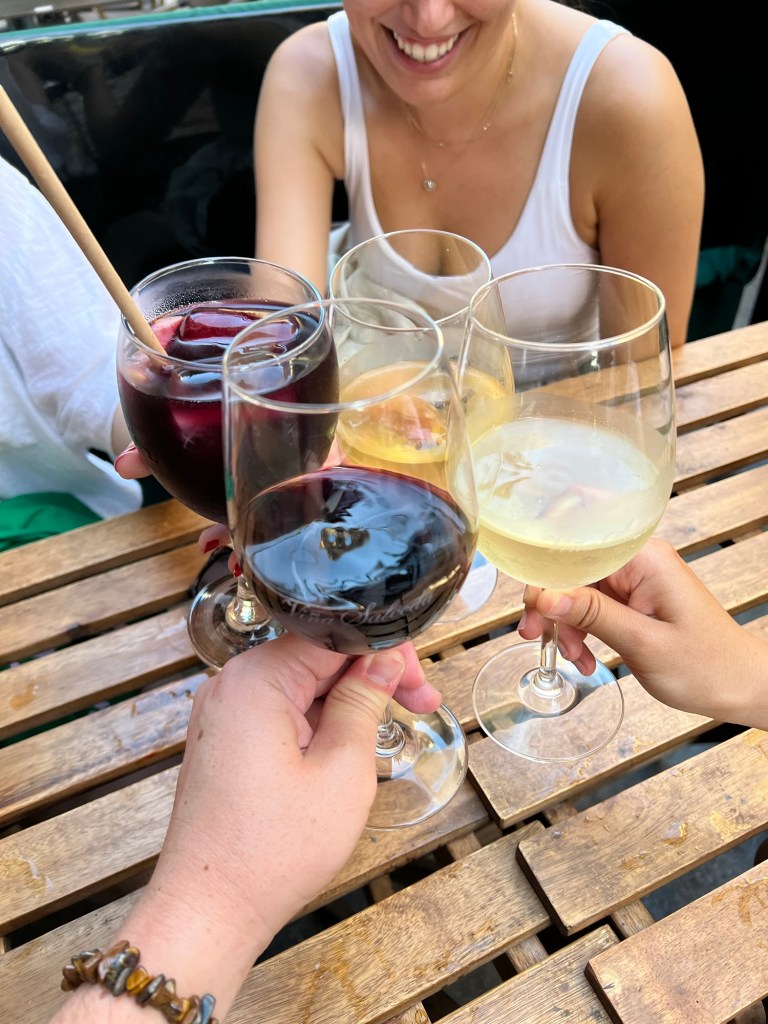
For our aperitif before dinner, Ana’s sister joined us. One of my favorite moments of our Valencia visit was sitting together over sangria and vermut, getting to know Ana and her sister while waiting for dinner.
When we arrived at the restaurant, we were immediately greeted by Ana’s parents, who were incredibly warm and welcoming.
There’s something about meeting a friend’s parents that makes me really happy. You get to understand a little more about where that person came from, and both of Ana’s parents were such a joy to be around.
The dinner was one of my favorite moments since arriving in Europe.
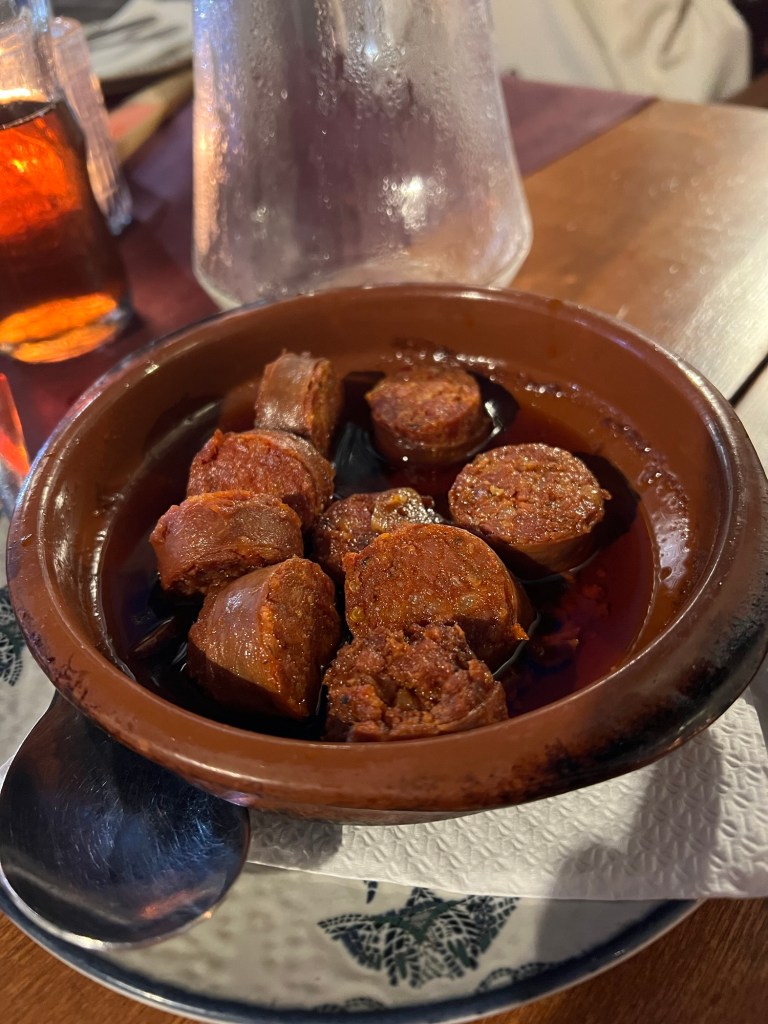
The table was filled with delicious food and drinks, and we got to try many of the tapas we had been wanting to eat since arriving in Spain. The shrimp, chorizo, and octopus were our favorite dishes.
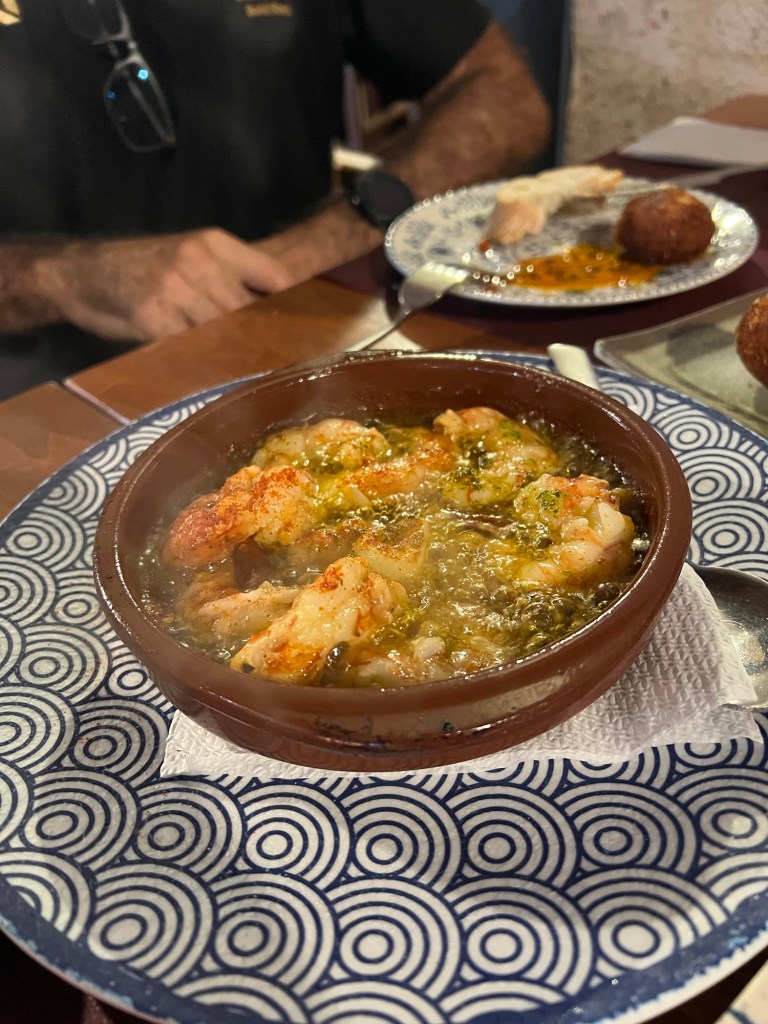
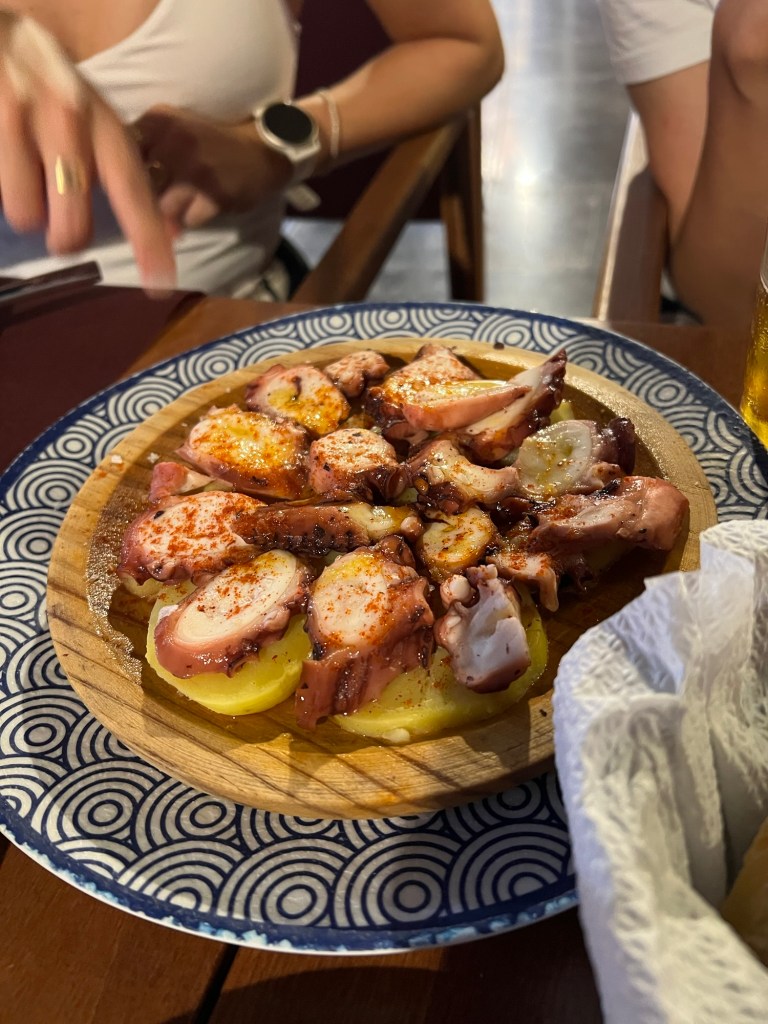
The octopus really shocked us. Usually when I eat octopus, the texture is quite chewy and takes a while to break down in your mouth. This one was cooked until it was so tender that it practically melted.
It was amazing.
But as good as the food was, my favorite part of dinner was the conversation.
I especially enjoyed hearing stories about Sara coming over to Ana’s house as a child and about how Sara and Ana gradually became friends. It reminded me of my own childhood friends and how special those years were in my life.
We stayed at that restaurant for a long time just talking.
Ana’s parents were wonderful hosts and really made us feel at home. After the meal, they even offered their home to us if we ever returned to Valencia. It’s the kind of hospitality I aspire to, and I was touched to experience it from people I had only just met.
At one point, I was talking with Ana’s mom about Sara and Ana’s backgrounds and how unusual their experiences were compared with my own. She mentioned that Ana had difficult moments growing up while trying to establish a sense of belonging and identity, something that can perhaps be easier for kids who grow up within a single culture.
I’ve heard that observation a lot from third culture kids, and I can understand where it comes from.
What’s interesting is that the more I’m exposed to this kind of international culture, the more I find myself yearning for some version of it in my own life, and I’m still trying to understand exactly why.
Perhaps it’s the idea that I don’t have to completely belong to one place in order to belong in the world.
Maybe I’m drawn to the possibility of having a deeply connected life without needing that life to be geographically small.
I love the idea of having people from completely different backgrounds sitting around the same table, everyone carrying their own story about how they got there, and nobody finding anyone else’s culture particularly strange. Someone might have been born in one country, raised in another, studied somewhere else, and now live somewhere entirely different. Their friends and family might be scattered across the world, but somehow they continue finding their way back to one another.
There are obviously difficulties that come with a life like that. I don’t want to romanticize the experience of growing up without an obvious answer to the question of where you belong.
Maybe what I admire is what can sometimes come out of that experience, the ability to make home in more than one place.
Sitting around a table in Valencia with Ana and her family, I got to experience a little bit of that world.
We were far from where Sara and Ana first became friends, in a country neither of them grew up calling home, and yet none of that seemed particularly unusual.
Maybe home can look something like that too.
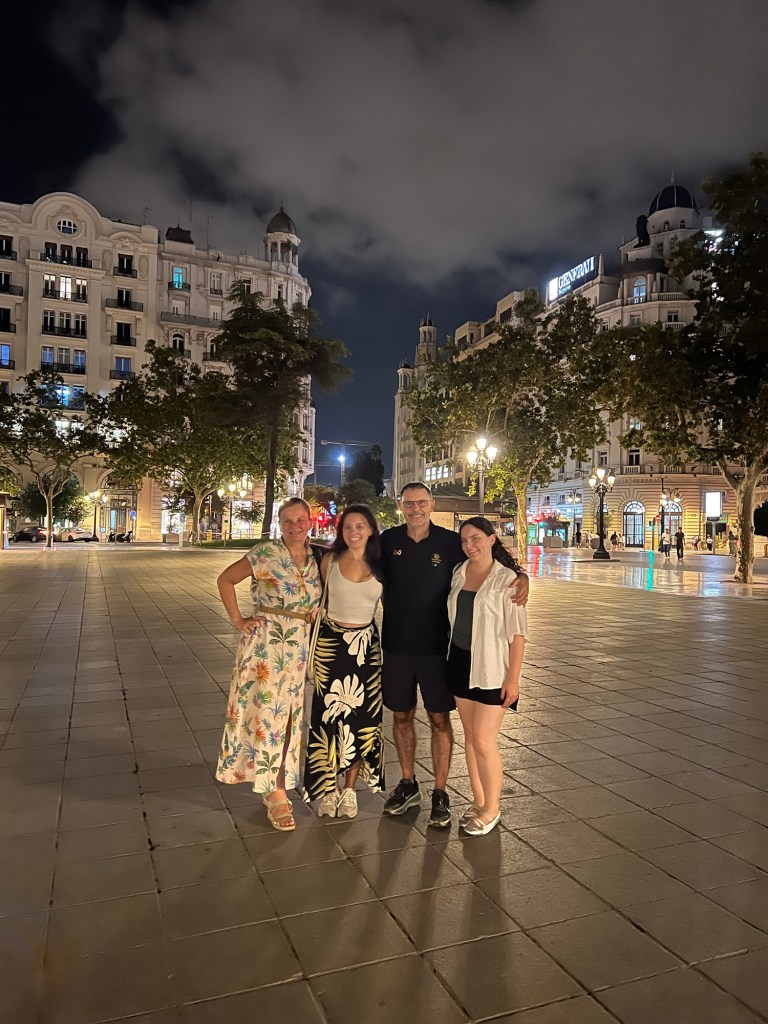
Thank you, Ana!
 williamwataru
Leave a comment